
Raising Confident Children: Building Self-Esteem and Resilience
As an Amazon Associate, I earn from qualifying purchases.
Raising confident children means giving them room to try things, ask for help, and learn at their own pace. I want my boys to feel comfortable being beginners, even when something takes more than one attempt.
With four boys at different ages, I can’t expect the same independence from everyone. A task that’s simple for an older brother may still need an adult beside a younger child. I’d rather choose a manageable next step than turn every attempt into a comparison.
The ideas below are everyday ways to offer that support. I’ve linked guidance from children’s health organizations where it informs the advice, and included examples you can adjust for your own child.
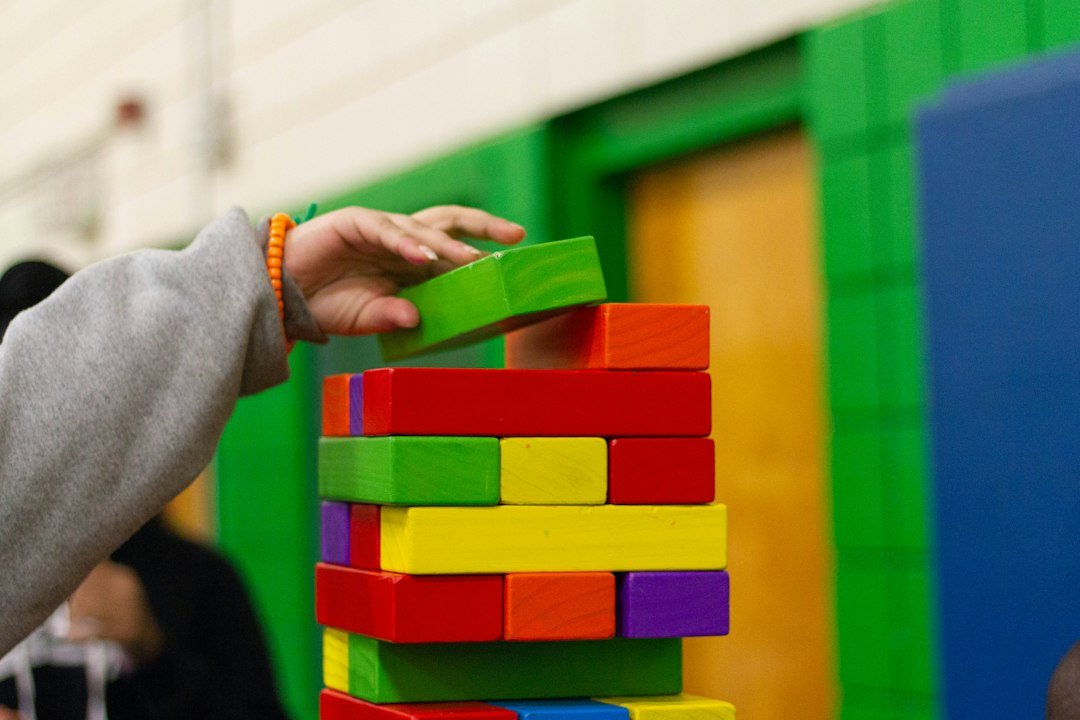
Give Confidence a Place in Ordinary Family Life
The American Academy of Pediatrics describes belonging, achievable responsibilities, and support with mistakes as parts of healthy self-esteem. That gives parents something more practical to work with than telling a child to “be confident.”
Look for a small opportunity in the day you already have: letting a child order his own drink, showing him how to pack a bag, or listening when he explains a problem. You can stay close without taking over every step.
1. Let Them See You Try Again
When something goes wrong, describe the next step in words your child can understand. For example: “I measured that shelf incorrectly. I’m going to check the width again before I choose a basket.”
You don’t need to perform a lesson every time you make a mistake. A calm, ordinary response gives a child a useful example to borrow.
I’d also make room for a break. If a puzzle or building project is becoming frustrating, you could say, “We can leave it here and come back after lunch.” Trying again can happen later.
2. Pause Before Doing the Difficult Part for Them
When a child asks for help, check which part is causing trouble. A stuck zipper, a confusing instruction, and a task that’s too advanced need different responses.
Try asking, “Show me where you got stuck.” You might hold the bottom of the zip while he pulls, demonstrate one step of a build, or read an instruction together. Then let him attempt the next part.
Keep the task safe and suitable for his age. Independence doesn’t mean leaving a young child alone with equipment or expecting him to manage a situation beyond his ability.
For a school task, my homework routine for kids who hate homework gives you a way to break the work into smaller sessions.
3. Make Praise Specific Enough to Recognize
Seattle Children’s recommends praise that is sincere and describes what the child did. I’d focus on the action I noticed rather than giving a broad label.
- “You tried a wider base when your tower fell.”
- “I noticed you checked the instructions before asking me.”
- “You gave your brother a turn even though you wanted to keep playing.”
- “You told the coach you needed help with that part.”
Keep it believable. A child who’s disappointed with a drawing may want you to listen before hearing praise. You could ask which part he wanted to look different and whether he wants help.
4. Help Them Make a Plan After a Setback
A lost game or unfinished project can feel big to a child. Start with what happened: “You wanted your team to win, and you’re disappointed.” Give him time before moving into advice.
When he’s ready, ask what he would like to do next. He might want another practice, a different approach, or help understanding a rule. Offer one suggestion if he’s stuck.
For example, if a model keeps collapsing, you could help him clear a firm building surface and find a picture of the part he wants to make. He can choose whether to rebuild now or save the pieces for tomorrow.
5. Choose a Next Step That Fits This Child
Look at what your child can currently do with a little help. Choose a step from there, rather than measuring him against a sibling.
An older child might pack his school bag from a list. A preschooler might put his own book into a bag while you handle the rest. Both can take part without being given the same job.
If a goal keeps ending in frustration, change its size. For reading, that might mean a page together rather than a whole book. For getting dressed, it might mean starting with socks while you help with a difficult fastening.
6. Leave Time for Interests That Belong to Them
Nemours KidsHealth explains that trying activities, learning skills, and noticing progress can support self-esteem. I’d make room for something a child wants to return to, without making every hobby another achievement to track.
If he enjoys building, leave a safe place for an unfinished project. If he likes drawing, keep paper and pencils somewhere he can reach. An interest doesn’t need to become a class or competition to deserve time.
Ask him to show you what he’s working on. “How did you make that part?” can lead to a more useful conversation than checking whether the result looks right.
Let his choice change too. Offer a reasonable chance to try an activity, then talk about what he enjoyed and what he found difficult before committing to more equipment or lessons.
7. Make Room for Each Brother’s Contribution
In a busy family, an older or more confident child can answer first and take over the job. I’d give each child a named part so the quieter one has room to participate.
At home, that could mean one child sets out napkins while another puts books away. During a game, give everyone time to decide on their own turn before accepting suggestions from siblings.
My chores-by-age guide has ideas you can adjust. Choose by your child’s ability and the supervision available, rather than treating an age label as a deadline.
Spend a little individual time asking about something each child cares about. That conversation can happen while drawing at the table or walking together. It doesn’t need a planned outing.
8. Practice the Words They Need
A child may know what he wants but struggle to say it in the moment. You can rehearse a few useful sentences together before a playdate, lesson, or school day.
- “Can I have a turn when you’re finished?”
- “I don’t understand this part yet.”
- “Please stop. I don’t like that.”
- “I need an adult to help.”
Keep the practice brief and let your child choose words that feel natural. If a situation involves bullying or safety, an adult needs to help address it; a rehearsed sentence can’t carry that responsibility.
When to Ask for More Support
If you’re concerned about ongoing harsh self-criticism, distress, or your child avoiding ordinary activities, speak with his teacher or pediatrician. Ask what they’re noticing and what support would fit. You don’t need to solve every concern through parenting tips.
(AD) Browse my Amazon storefront for more family and home finds.
Choose One Opportunity for Today
I’d start with one situation that keeps coming up. Give your child a manageable part, stay nearby, and notice the specific thing he attempted. Leave the next step until he’s ready.
For help making the rest of family life more manageable, you can get my free Mom Reset Kit below. It contains home and daily-reset checklists, rather than a confidence workbook.