
The Cleaning Routine I Use When I’m Overwhelmed and Exhausted
This cleaning routine for overwhelmed moms starts with the jobs that let us get through the next part of the day: usable dishes, food messes cleared away, and somewhere safe to walk.
I’m a mom of four boys, so a room can change while I’m still tidying it. There are days when I can handle a proper clean. Other days, getting dinner made and finding tomorrow’s school clothes takes the time I have.
On those days, I start with the sink and work through a short list. I stop when the house can support what we need to do next. The floors and cupboards can have their own turn.
This post contains affiliate links. As an Amazon Associate, I earn from qualifying purchases.
Choose the Jobs That Matter Today
Before starting, look at what your family needs over the next few hours. Do you have clean plates for dinner? Are there food spills to wipe up? Can everyone walk through the main room?
- Wash the dishes you need for the next meal.
- Remove food waste and deal with spills.
- Clear the walkways and one useful surface.
- Check whether anyone needs clean clothes for tomorrow.
- Set up one thing that will make the next morning easier.
This is a priority list, so you can stop after the first job if that’s all you can manage. Check for anything that needs immediate attention, then leave the rest for another time.
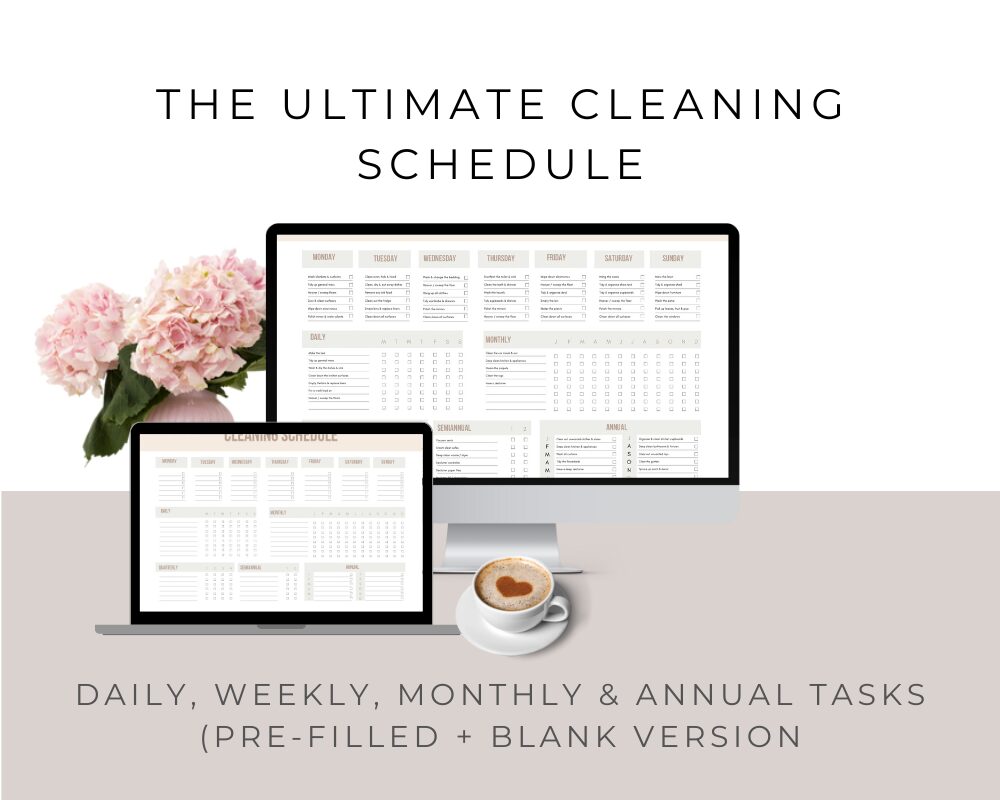
If having the list on paper helps, my free cleaning checklists are at the end of this post. For a regular daily schedule, see my 10-minute-a-day cleaning routine.
My Cleaning Routine for an Overwhelming Day
1. Make the Sink Usable
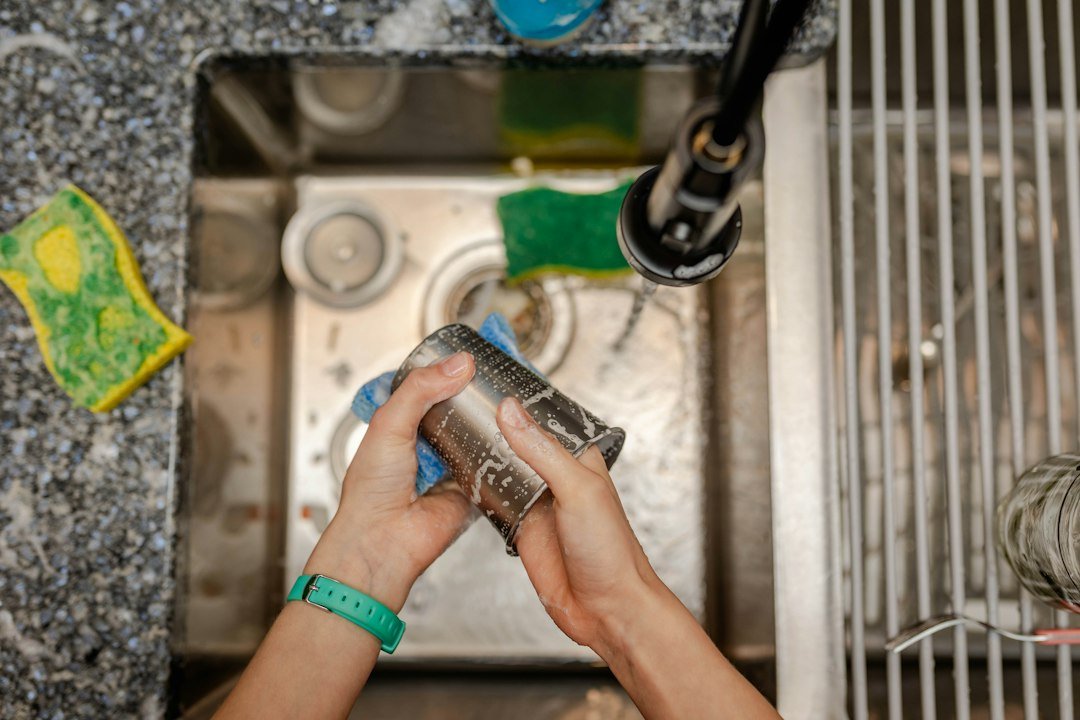
I start with dishes because we’ll need the kitchen again before long. I’m looking for enough room to wash food, fill a cup, or prepare the next meal.
If the dishwasher is full of clean dishes, put those away first. Then load the dirty dishes that belong in it. Hand-wash the things you need soon, following the care instructions for each item.
A pan that needs soaking can wait in a suitable spot. It doesn’t need to block the whole sink while you tackle everything else.
Use the dish tools you already have. If replacing a worn brush would make this job easier, this (AD) dish brush with a soap dispenser is one option to compare. You don’t need to buy a set of new tools to start.
2. Take Out Food Waste and Collect Loose Clutter
Next, I collect trash from the main living area and check whether the kitchen bin needs emptying. Food packaging, used tissues, and the things everyone has stepped around are a useful starting point.
I keep items that belong in another room together in a return basket. That lets me finish the space I’m working on before making trips around the house. Empty the basket into the right rooms later so it stays useful.
Set a timer for five or ten minutes if a finish time helps you begin. Focus on one room. A child who needs you halfway through may change the plan, and you can return to the remaining items later.
An existing laundry basket works. If you need a separate container, compare this (AD) return basket with the space where you’ll keep it.
3. Check Tomorrow’s Clothes
Before starting a wash, check whether it’s needed. If everyone has clean clothes for tomorrow, you can leave laundry for your next planned load.
When someone needs school clothes, underwear, or a towel, I make that load the priority. Keep the washing instructions in mind and choose a load you can move on to drying.
Starting several loads can leave you with damp washing waiting for attention. On a difficult day, one finished load is a more useful aim. A clean basket can wait for folding until you have time.
Put dirty clothes in one place so the next load is easier to find. A (AD) sturdy laundry basket can help if the one you have keeps collapsing, but the task matters more than the container.
4. Clear One Working Surface and the Walkways
My usual hot spots are the kitchen counter, the entryway, and the living-room floor. I choose the one that’s getting in the way of the next thing we need to do.
If dinner needs preparing, clear a section of counter and clean it as needed. If bags and shoes cover the entrance, return them to their usual places. Keep small pieces away from younger children while collecting toys.
For the main play area, broad toy categories are enough for a quick pickup. Vehicles go with vehicles, books go back to their shelf, and older children’s small-piece sets go somewhere younger siblings can’t reach.
My toy organization guide for small spaces explains how to give those categories permanent homes. You can work on that another day.
5. Set Up One Thing for the Morning
I finish by choosing a job that will remove a morning scramble. That might be checking a school bag, finding a missing shoe, or setting out the breakfast dishes.
Choose the thing you’re most likely to need first. Once that’s ready, stop. Another job can go on tomorrow’s list.
When You Can’t Decide Where to Start
Stay in one room and choose a small, visible job. Wash the bowls for breakfast. Put the food waste in the bin. Clear the chair someone needs to sit on.
Finish that job before choosing another. You don’t need to decide what to do with every cupboard, every pile, or the whole week’s laundry while standing in the kitchen.
If a task keeps expanding, make its boundary smaller. Instead of sorting all the toys, return the chunky vehicles to their basket. Instead of clearing the whole table, clear a place to eat.
Ask for help with a specific job if someone is available: “Can you handle the dishes while I get the boys ready for bed?” is easier to act on than “I need help with everything.”
For the wider feeling that you can never catch up, my post about feeling behind on housework looks at how to separate everyday upkeep from the projects that can wait.
Keep the Next Pickup Small
Once a space is usable, give the items that return every day an easy place to go. A basket near where the children play can be more practical than storage at the other end of the house.
During an evening pickup, I’d use the same order: kitchen items back to the kitchen, toys back to their usual homes, and bags ready for tomorrow. Keep this short enough to fit the evening you’re having.
Give the Boys One Clear Job Each
“Tidy up” can mean far too much, especially for a young child. Name a small job and show where the items belong.
- Ask a younger child to return a few large toys while you stay beside them.
- Give a preschooler one familiar category, such as chunky cars.
- Ask an older child to gather books or return his own school things.
- Have an adult handle cleaning chemicals, sharp items, and small pieces that younger siblings could reach.
A (AD) visual timer can show how long a short pickup will last. Adjust the job if it’s taking longer than the child can manage. Reminders and practice are still part of it.
If bags, shoes, or toys keep gathering in the same spot, look at where they’re stored. Move the storage closer to where it’s needed if you can. For more ideas, see my guide to setting up a kids’ chore chart.
What I Do When I Have More Time
I choose one job that needs more attention and give it a clear finish. That might be cleaning the bathroom sink and toilet, washing a floor, or clearing one shelf of outgrown toys.
A better-energy afternoon doesn’t have to become a whole-house cleaning day. Check how much time you have before meals, pickup, or another commitment, then choose a job that fits.
Use cleaning products as directed on their labels and keep them away from children. For a simple wipe-down, washable cloths are useful; these (AD) microfiber cloths are one option if yours need replacing.
I’d leave cupboards, seasonal sorting, and room-by-room decluttering for separate sessions. My 15-minute cleaning ideas gives you smaller jobs to choose from, while this decluttering plan is for the times when you can set aside longer.
Before buying another organizer, check what keeps getting in the way. Too many toys may need a sorting session. A broken basket may need replacing. A schedule with no room for housework may need a smaller list and more shared responsibility.
You can browse (AD) my Amazon storefront if you need to compare home tools. Start with the job you need help with and what you already own.
Get the Free Cleaning Checklists
My free set includes daily, weekly, and monthly cleaning checklists. Use the daily page to choose today’s priorities, then save the longer jobs for a time when you can manage them.
Frequently Asked Questions
What should I clean first when the whole house is messy?
Start with what’s needed soon: dishes for the next meal, food spills, trash, and clear walkways. Choose one small job in one room before adding another.
Do I need to do laundry every day?
That depends on your household and how often you need clean clothes. On an overwhelming day, check tomorrow’s needs first. If everyone has what they need, laundry can stay on its usual schedule.
What if I only have five minutes?
Choose one job you can finish in that time, such as putting breakfast dishes in the dishwasher or returning shoes to the entrance. Leave a larger task for another session.
How do I stop one missed day becoming a bigger problem?
Start with the next meal, the next morning, or the space you need now. Check what requires attention today and return to your usual schedule as time allows. You don’t need to repeat every job you missed.
How can I get more help from my family?
Agree on named jobs and when they happen. An older child can return his school things, while a younger child can help with a few suitable toys. Share the adult work too, including noticing what needs doing and keeping track of supplies.






A reset is sometimes needed. Doing one rooms at a time. Or maybe 2. Laundry day or days. Good steps to focus on to stay on track. Thank i can use this.
Thank you so much, Karen 💛 I completely agree—those small resets at night make such a big difference in the morning. I’m so glad the tips resonated with you!